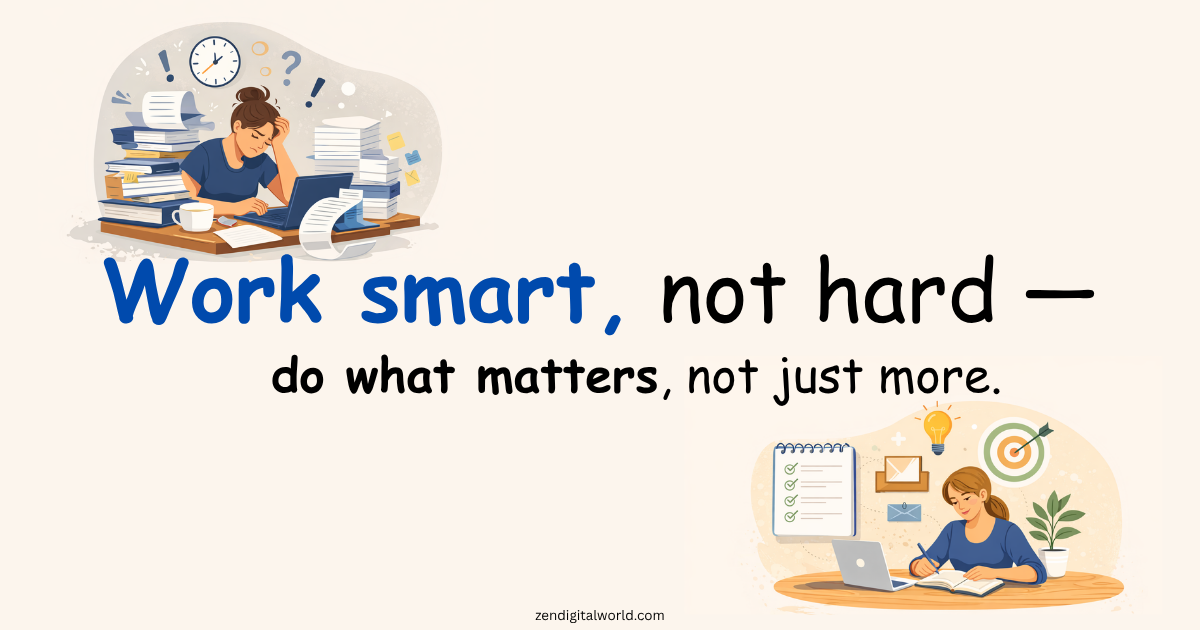
Many of us grow up believing that working hard simply means spending more time and effort on something. We assume that the more hours we put in, the closer we get to success. But this understanding is often incomplete.
In reality, working hard is not just about time — it is about direction, focus, and purpose. Without the right approach, even the greatest effort can lead to limited results. This is where the difference between working hard and working right becomes important.
Often, we stay busy thinking we are being productive, but not all effort leads to meaningful progress. When our work lacks clarity and planning, we may end up repeating the same mistakes or focusing on the wrong things. Over time, this can lead to frustration, even though we are putting in a lot of effort.
Understanding this difference helps us shift our mindset — from simply working longer to working with intention and effectiveness.
Where it goes wrong
One of the biggest misunderstandings in how we approach work is the belief that spending more time and effort will automatically lead to better results. This is especially evident among students preparing for exams, where long hours are spent practicing mock papers in the hope of improving performance. However, when weaker areas are not identified and addressed, this effort often fails to produce the desired results. Instead of repeatedly attempting tests, real improvement comes from first strengthening understanding in weaker areas and then applying that knowledge through focused practice.
This pattern is not limited to students. In the workplace, employees may remain constantly busy, completing multiple tasks without focusing on what truly adds value, resulting in effort without meaningful progress. In daily life as well, homemakers may spend more time on routine tasks without proper planning or organization, which can lead to unnecessary stress and extra effort.
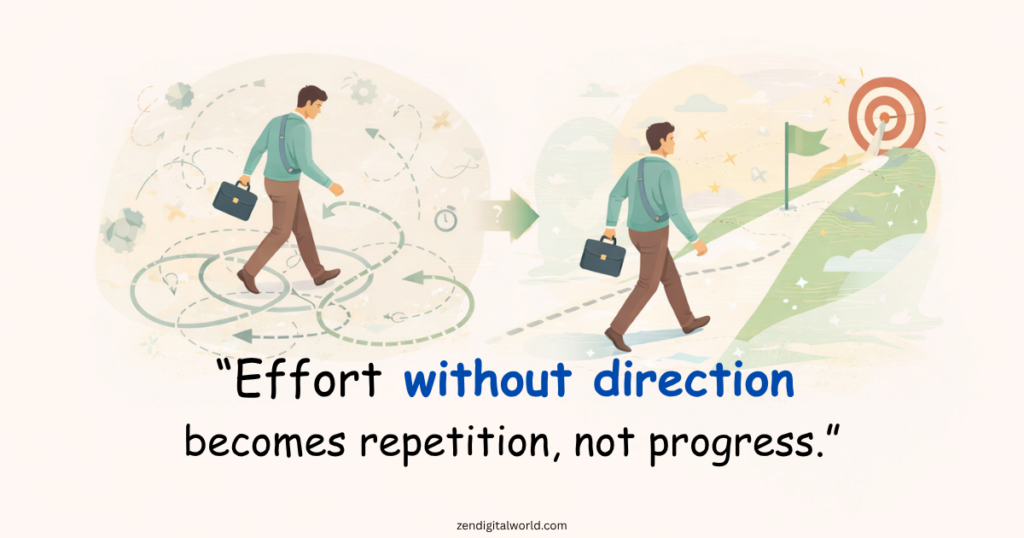
The real issue is not a lack of effort, but a lack of direction. When work is done without analyzing strengths, weaknesses, and priorities, it becomes repetitive rather than effective. People often follow methods that work for others without understanding what truly suits them. This is where things begin to go wrong — not because of insufficient effort, but because the effort is not focused in the right way.
In the end, across all areas of life, progress does not come from doing more, but from doing what truly matters, with clarity, purpose, and the right approach.
Why Working Smart Makes a Difference
If you change your approach to how you do your work, you are more likely to achieve better results. When the focus is only on working harder, without thinking about better ways to do the task, it often leads to wasted time and effort. Over time, this can reduce interest and make the work feel more difficult and exhausting.
When the focus shifts to improving the approach, work becomes not only easier but also more engaging. Finding smarter ways to complete tasks helps maintain interest and improves overall effectiveness.
Working smart is important because it allows us to use our time and effort more efficiently. It reduces unnecessary work and helps us focus on what truly matters. It requires both focus and strategy — focus helps us concentrate on what is important, while strategy guides us on how to approach tasks effectively. Without focus, effort becomes scattered, and without strategy, it loses direction.
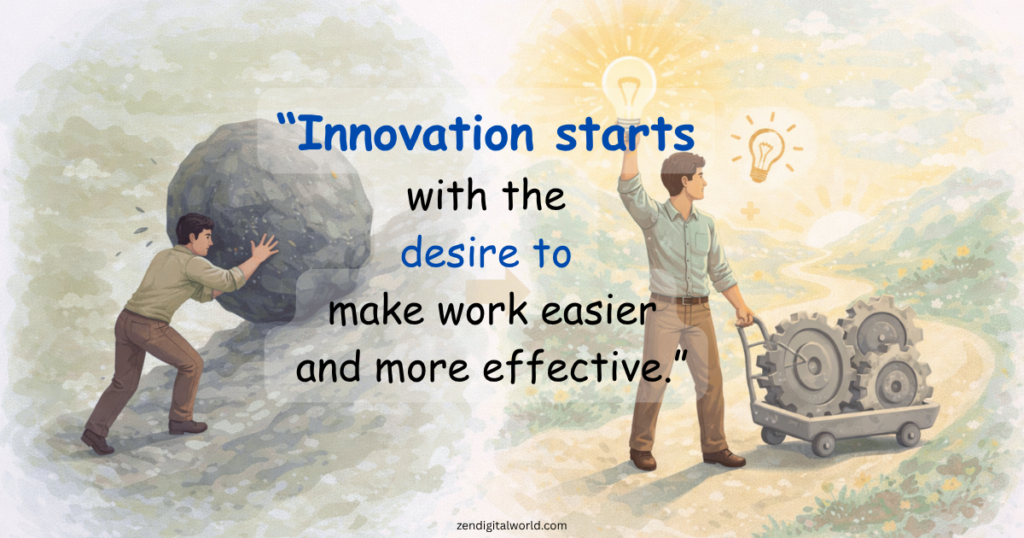
When we think about better ways to approach our work, the quality of our output improves. Learning new techniques and improving methods can make tasks easier and more efficient. Many advancements have come from the desire to simplify work and make it more effective. Without exploring better approaches, we may end up spending more time and energy than necessary.
Working smart also strengthens problem-solving skills. It encourages us to think critically, find better solutions, and approach challenges more effectively. To make real progress, it is important to identify what is holding us back and understand how we can improve. Without reflection, we may continue putting in the same effort without achieving better results, which often leads to frustration and loss of motivation.
Ultimately, working smart not only improves results but also makes the process more manageable, effective, and sustainable over time.
What Working Smart Actually Means
Working smart does not mean avoiding hard work or doing less. It means using your time, effort, and energy in the most effective way. Instead of focusing only on how much work is done, the focus is on how the work is done.
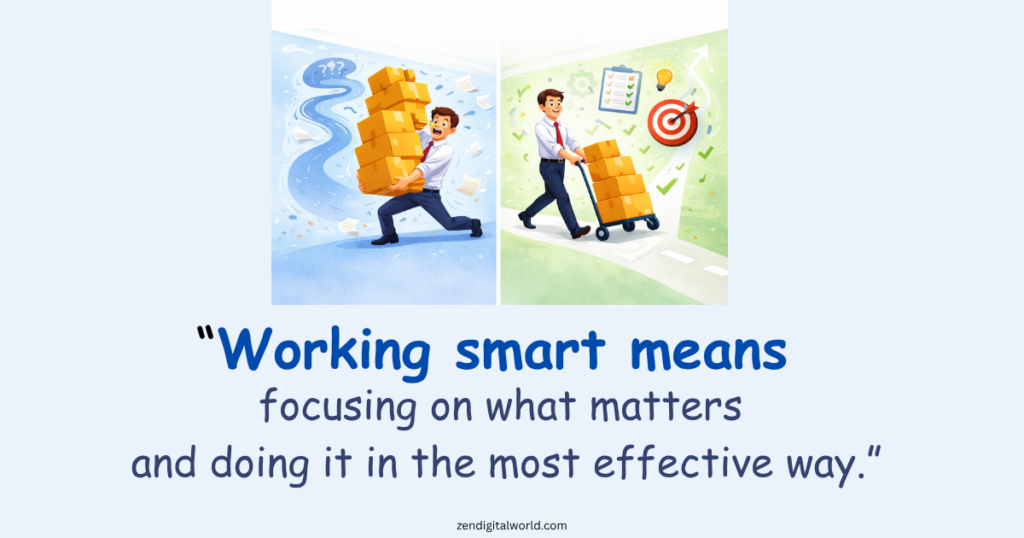
It involves understanding what needs to be done, identifying the most important tasks, and choosing the right approach to complete them. Working smart means planning before starting, focusing on areas that need improvement, and avoiding unnecessary repetition.
It also includes learning from mistakes, using better tools or methods, and continuously improving the way tasks are handled. Rather than following the same routine blindly, it requires thinking about what works best and adapting accordingly.
In simple terms, working smart is about doing the right things, in the right way, at the right time.
Conclusion
Working hard is important, but without the right direction, it may not lead to meaningful results. When effort is combined with focus and strategy, even simple actions can create significant progress.
In every area of life — whether it is studies, work, or daily responsibilities — success comes not from doing more, but from doing what truly matters in the right way.